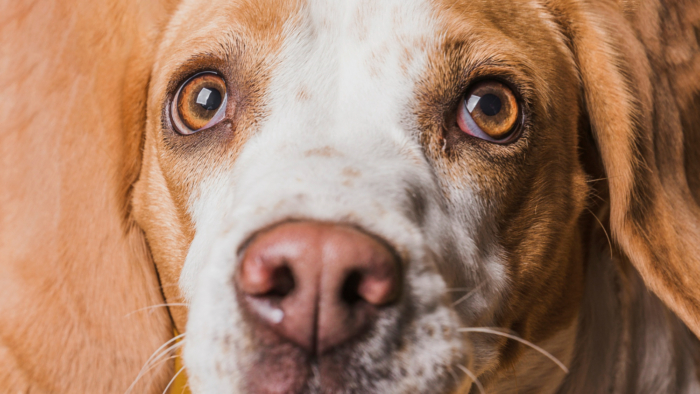
Retinal degeneration is not only seen in humans but also in pets like dogs and cats. In senior dogs, retinal degeneration is considered a common eye problem. The retina is the part of the eye that captures light and sends signals to the brain, helping us see clearly. When the retina starts to break down, vision slowly becomes blurry and may eventually lead to blindness.
Retinal Degeneration in Senior Dogs is a serious eye condition where the light-sensitive cells in the retina gradually become weak and stop working.
What is Retinal Degeneration?
The retina is a thin layer at the back of the eye that works like a camera sensor. When light enters the eye, it falls on the retina, where special cells turn it into electrical signals. These signals travel through the optic nerve to the brain, where they are recognized as images.
There are two main types of cells in the retina:
- Rod cells help with night vision.
- Cone cells help with daytime vision and color recognition.
In retinal degeneration, rod cells are affected first, which causes night blindness. Over time, cone cells are also damaged, and daytime vision becomes blurry.
Causes of Retinal Degeneration
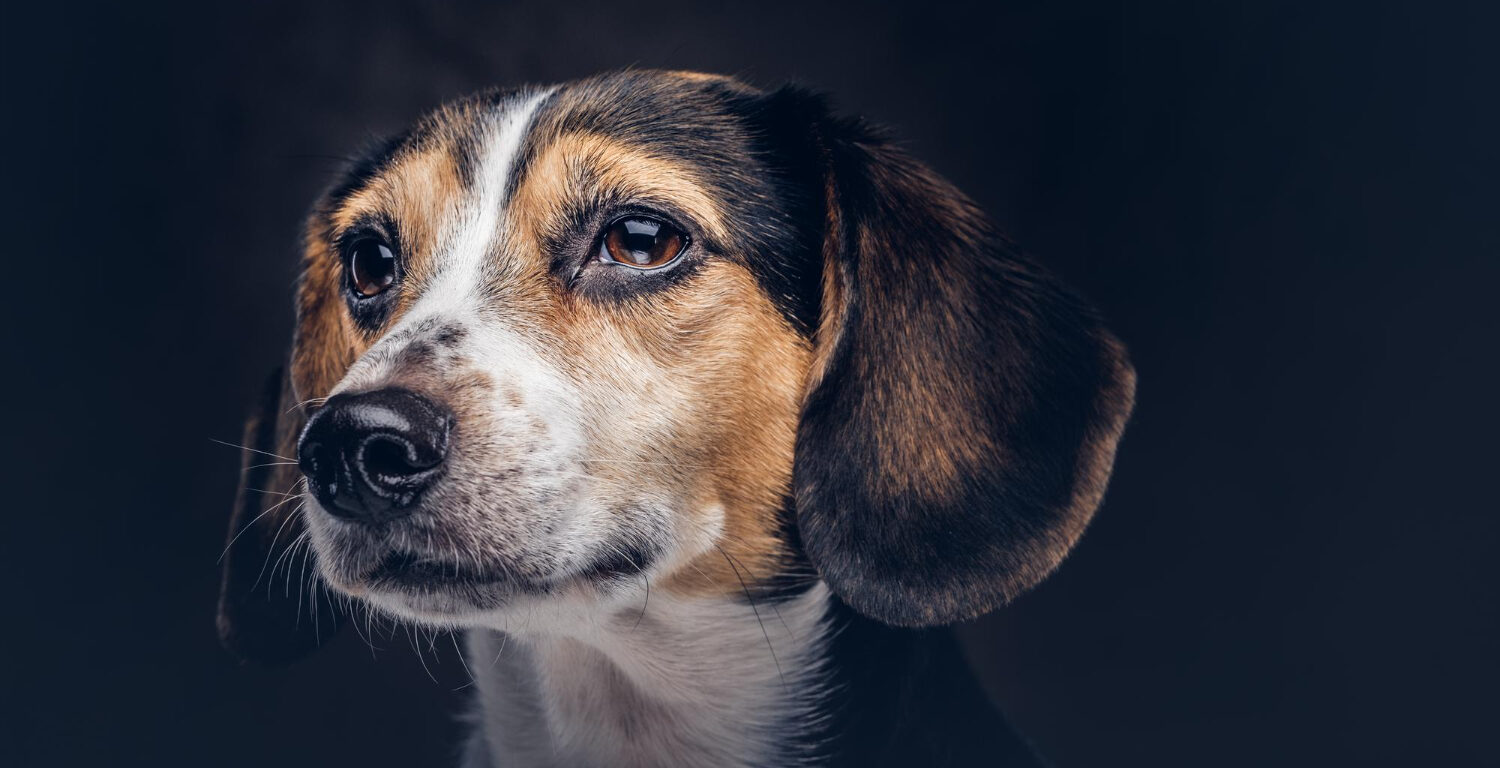
Retinal degeneration in senior dogs and humans can happen for many reasons, such as:
- Genetics – Some types of retinal degeneration, like retinitis pigmentosa, are inherited and passed from one generation to the next in certain breeds.
- Aging – Age-related macular degeneration is mostly caused by aging, as retinal cells naturally weaken over time.
- Infections – Viral or bacterial infections, as well as accidents or injuries, can damage the retina.
- Hormonal Imbalance – In dogs, conditions like Cushing’s Disease are linked to retinal degeneration. A lack of vitamins A and E can also affect retinal health.
- Other Diseases – Diabetes and high blood pressure can harm retinal cells. Smoking and too much sunlight exposure are also risk factors.
Symptoms of Retinal Degeneration
Retinal degeneration grows slowly, so its symptoms also appear gradually. Common signs include:
- Difficulty seeing at night
- Narrowing of the visual field
- Trouble recognizing colors
- Fear or bumping into objects in the dark
- Hesitation while going down stairs
Diagnosis and Treatment
To diagnose retinal degeneration in senior dogs or humans, doctors use several tests:
- Eye Exam: The doctor examines the retina by dilating the pupils.
- Amsler Grid Test: A simple test to detect central vision changes.
- Optical Coherence Tomography (OCT): Gives detailed cross-sectional images of the retina.
Treatment Options
There is no complete cure yet, but treatments can slow down the disease:
- Nutritional Therapy
Antioxidants like vitamin C, vitamin E, beta-carotene, zinc, and copper can help reduce the risk of age-related macular degeneration. - Medical Management
Some medicines reduce inflammation and damage in the eyes. If the cause is hormonal imbalance, treating that condition is important. - Surgery
In some cases, laser surgery can help, but it is not always effective. - Gene Therapy
Experiments in humans and dogs show that gene therapy may become a permanent treatment option in the future.
Home Care Tips
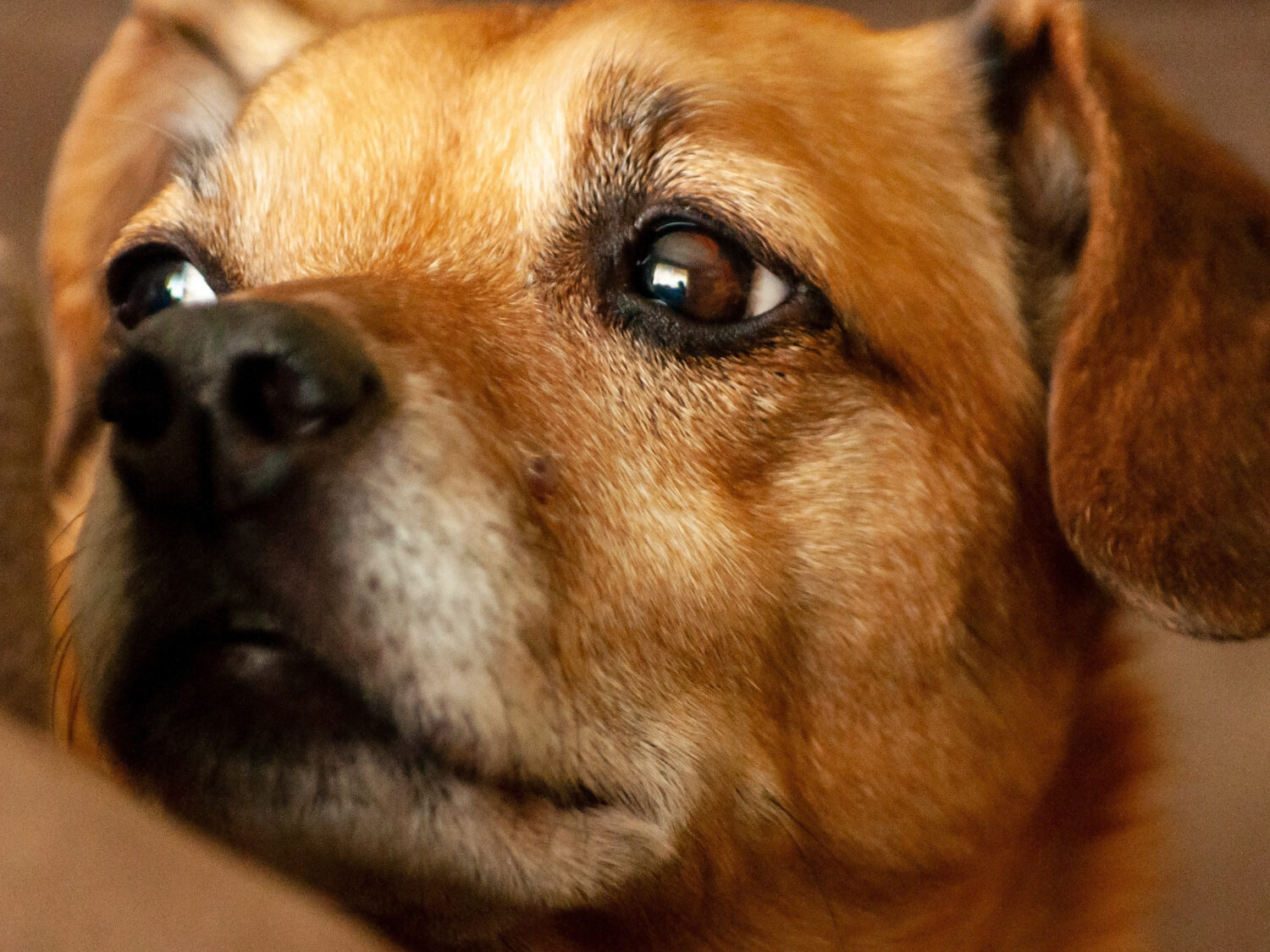
If your pet or a family member has retinal degeneration, you can take steps at home:
- Keep the environment safe – avoid moving furniture often so the dog doesn’t bump into things.
- Avoid bright lights – use soft and comfortable lighting.
- Improve diet – add vitamins and antioxidants.
- Regular checkups – visit an eye specialist regularly.
Conclusion
Retinal degeneration in senior dogs and humans is a serious condition, but with early detection and proper care, vision loss can be slowed down. Regular eye exams and a healthy lifestyle help reduce the risks. For pets, this condition is even more challenging because they cannot express their problems. Watching their behavior and paying attention to their eye health is very important. With ongoing research, there is hope that effective treatments will be available in the future

Add a Comment