
For most people in America, dogs are not just pets—they are family. They bring us happiness, unconditional love, and countless memories. But as our beloved companions grow old, we have to face the reality of their declining health. That’s why, when your best friend is moving into old age, it’s important to understand how to maintain their quality of life.
How to know when your dog is dying can be a difficult thing to face, but recognizing the signs helps you take better care of them and make their final days peaceful and comfortable. This article will guide you through some of the most important signs and behaviors that may show your senior dog is reaching the end of life.
Why It’s Important to Know
- To prevent unnecessary suffering
- To give comfort and dignity
- To prepare emotionally and mentally
Early Signs
When your dog is getting close to the end, the first changes usually appear in their behavior and physical condition. These signs often show up slowly, so paying attention is very important.
1. Low Energy and Tiredness
- Less playful and active: A dog who used to be excited about walks or games may lose interest in these activities.
- Sleeping more: Older dogs sleep a lot, but if your dog is sleeping much more than usual and seems weak even when awake, it could mean their body is losing energy.
2. Changes in Appetite and Thirst
- Eating and drinking less: Your dog may slowly stop eating or drinking, even refusing their favorite foods. As their organs shut down, they feel less hunger and thirst.
- Weight loss: Sudden or fast weight loss can be a serious warning sign, often connected to illness or organ failure.
Clear Health-Related Signs
As your dog’s condition gets worse, stronger health problems may appear. Watching these carefully helps you give comfort and the right care.
1. Trouble Moving
- Unsteady or stumbling: Your dog may find it hard to stand, walk, or keep balance. Weak muscles or pain may cause this.
- Falling often: Some dogs may collapse or can’t support themselves.
2. Changes in Breathing
- Difficulty breathing: Breathing may become faster, heavier, or sound like coughing. This can mean heart problems or fluid in the lungs.
- Slow or uneven breathing: At the very end, some dogs may breathe very slowly and irregularly.
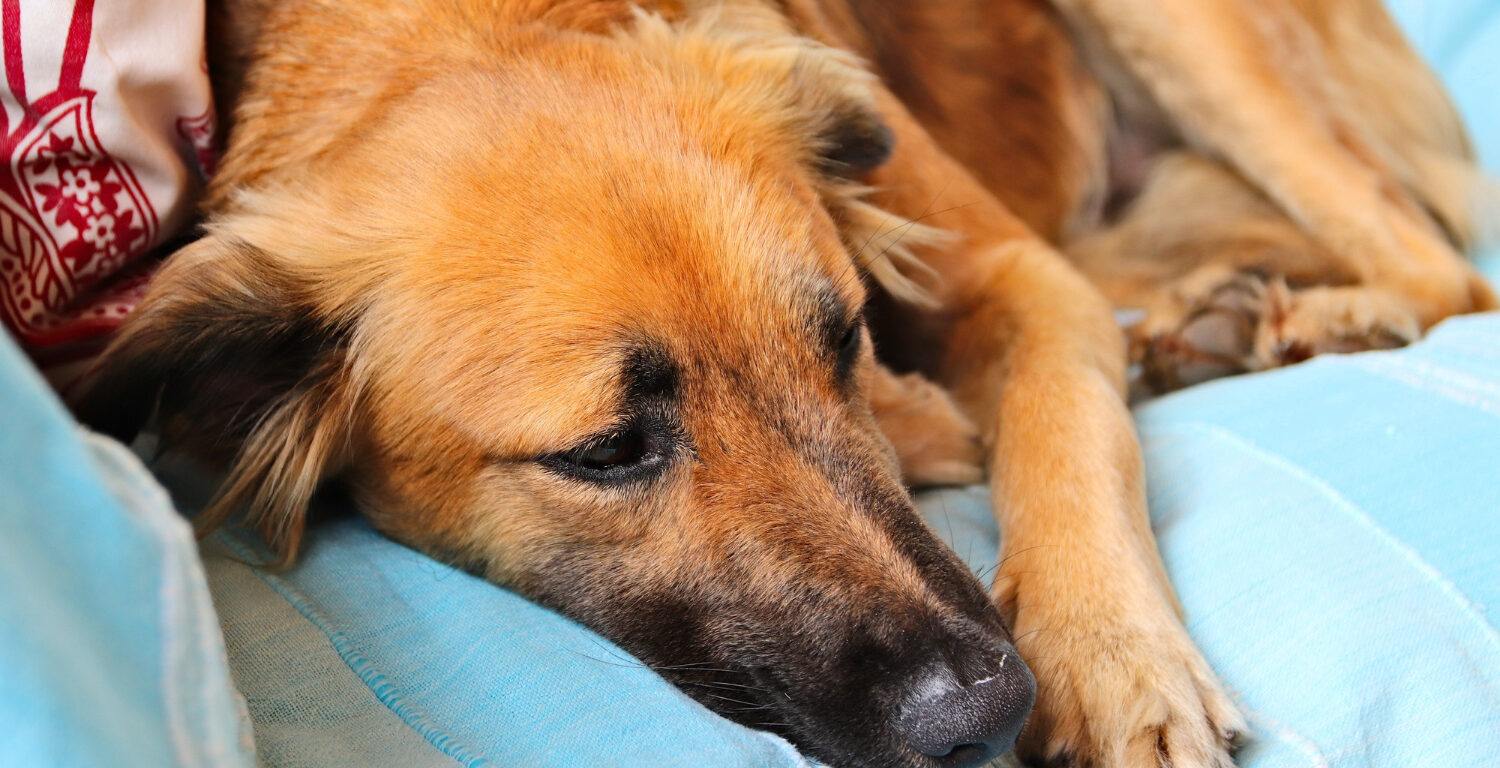
How to Support Your Senior Dog in Their Final Days
Comfort
- Provide a soft bed in a quiet place.
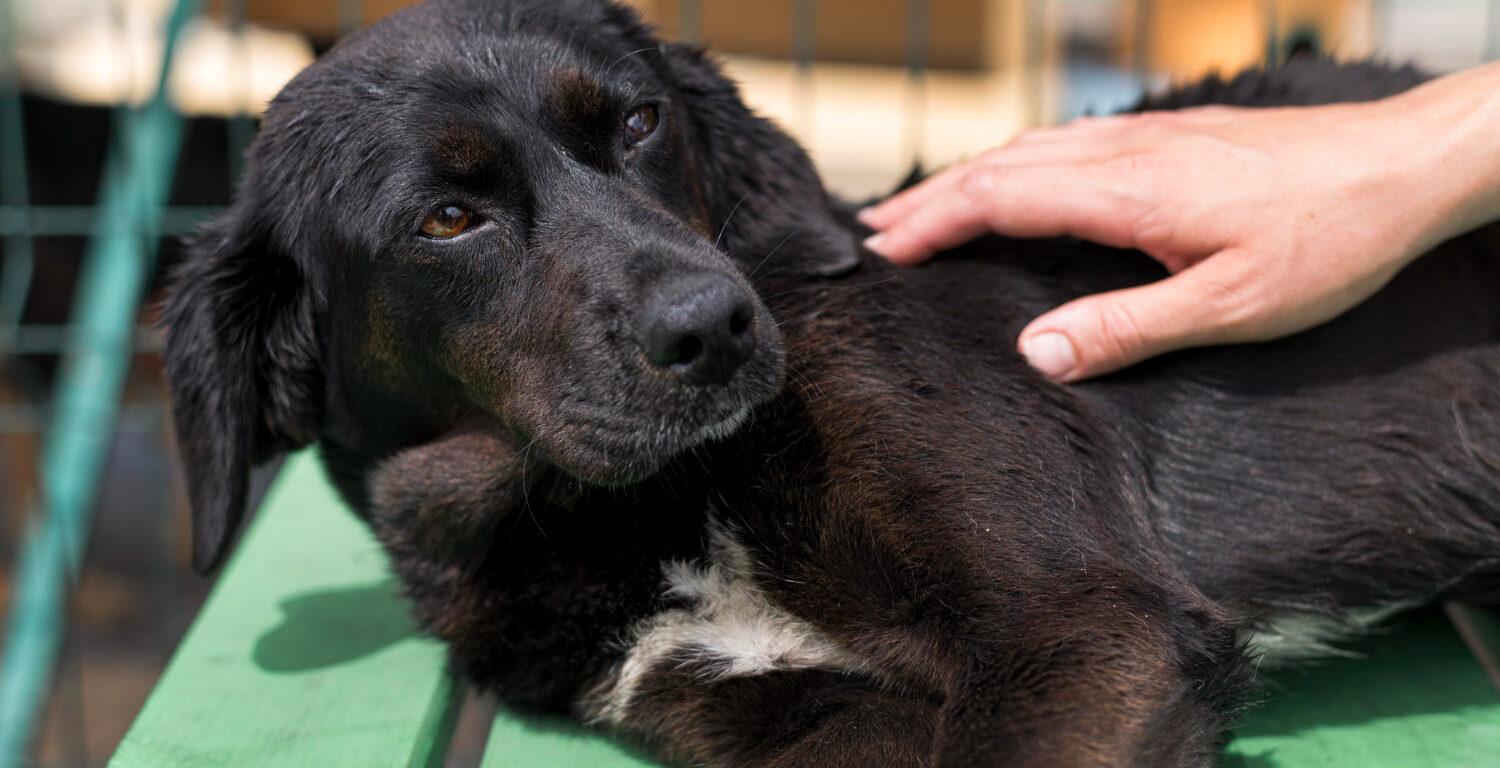
- Gentle massage or petting, only if they enjoy it.
- Change their position often to avoid sores.
Hydration
Offer water often. If they refuse, try ice cubes or a little broth.
Pain Control
Work with your vet to manage pain with proper medication.
Cleanliness
Use pee pads, washable bedding, and light cleaning to keep them comfortable.
Respect Their Needs
Give them space if they want it, or gentle company if they seek closeness.
Considering Euthanasia
For many American dog parents, one of the hardest choices is whether to choose euthanasia. Vets often use a “quality of life scale” to guide families. Important questions include:
- Is your dog still enjoying daily life?
- Can they eat, drink, and move without severe struggle?
- Is their pain manageable?
If your dog is suffering, euthanasia at a vet clinic or even at home (a service now widely available in the U.S.) may be the kindest choice.
Preparing Yourself and Your Family
Emotional Preparation
Grief often begins before your dog actually passes. Feelings like sadness, guilt, or even relief are all normal.
Talking with Children
Be honest with age-appropriate words. Encourage kids to express their feelings and share memories.
Creating Memories
- Take photos and videos
- Make a paw print keepsake
- Write down favorite moments
When It’s Time to Say Goodbye
This is the hardest decision of all. When your dog no longer has any quality of life and is only living in pain, euthanasia can be a humane and painless option.
- Talk to your veterinarian: They will explain the process and support you.
- At home option: Many vets now provide in-home euthanasia, which is less stressful for dogs because they stay in a familiar space.
- Forgive yourself: Remember, this choice is an act of love. You are ending their pain, not their love.
Conclusion
Facing the end of your senior dog’s life is extremely difficult. But by recognizing the signs, understanding , How to know when your dog is dying and making compassionate choices, you can give your best friend comfort, dignity, and love in their final days. Saying goodbye hurts deeply, but the love and joy they gave you will always remain in your heart.

Add a Comment