As our beloved dogs grow older, their health and immunity gradually weaken. This makes them more vulnerable to infections, allergies, and age-related diseases. If you want your senior dog to live a healthy and energetic life, it’s essential to keep their immune system strong.
This guide will show you both scientific and practical ways to boost your senior dog’s immunity so you can give your aging friend a healthier and happier life.
What Is the Immune System?
The immune system is the body’s natural shield that protects against bacteria, viruses, fungi, and other harmful pathogens. It’s a complex network of cells, tissues, and organs that detect and fight threats.
As dogs age, the immune system becomes less efficient, a process called Immunosenescence.
Main reasons for weak immunity in senior dogs:
- Low production of immune cells – Fewer new cells like lymphocytes and macrophages are made.
- Weaker antibodies – Antibodies don’t fight diseases as strongly as before.
- Reduced vaccine response – Vaccines may not work as effectively.
- Increased inflammation – Chronic, low-level inflammation puts extra stress on the immune system.
Because of these changes, older dogs are at higher risk of infections, allergies, and even cancer. The good news is, with the right care and lifestyle, you can slow this process and naturally strengthen your senior dog’s immunity.
Signs Your Senior Dog’s Immunity Is Weak
Watch out for these warning signals:
- Loss of appetite
- Dental issues and bad breath
- Frequent digestive problems (vomiting, diarrhea)
- Repeated infections (skin, ear, urinary tract)
- Sudden drop in energy levels
- Slow healing of wounds
- Excessive shedding or dull coat
If you notice these signs, your senior dog likely needs immune system support.
How to Boost Senior Dog Immunity Naturally
1. High-Quality Protein
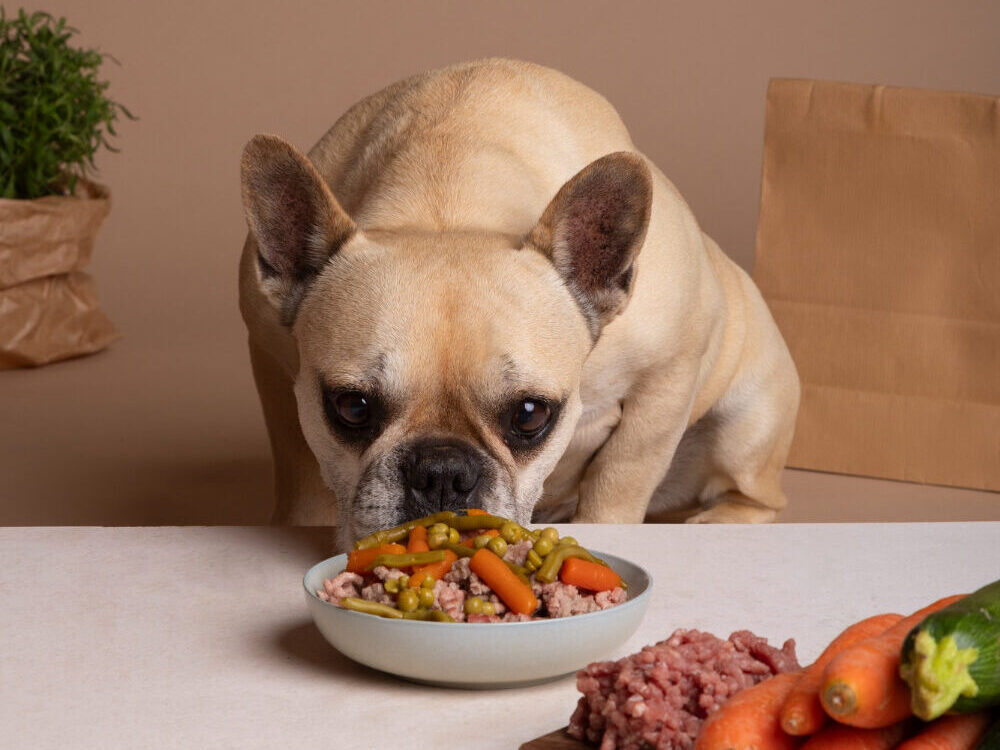
Protein is essential for building immune cells and antibodies. Senior dogs need small amounts of high-quality, easily digestible protein.
- Sources: Lean chicken, turkey, fish (like salmon), and eggs.
- Tips:
- Choose senior dog food formulas with high-quality protein.
- If feeding homemade food, add boiled chicken or fish.
2. Healthy Fats
Omega-3 and Omega-6 fatty acids reduce inflammation and improve immune function.
- Sources:
- Fish oil – Rich in Omega-3, supports immunity, joints, and skin.
- Flaxseed oil – Another good Omega-3 source.
- Tips: Add fish oil supplements to meals after consulting your vet.
3. Vitamins and Minerals
Antioxidants and minerals are crucial for strong immunity.
- Vitamin C & E: Protect cells from damage.
- Sources: Sweet potatoes, carrots, pumpkin, spinach, blueberries, strawberries.
- Zinc & Selenium: Support immune cell function.
- Sources: Lean meats, eggs, whole grains.
- Tips: Add small, safe portions of fresh fruits and vegetables to meals.
4. Probiotics and Fiber
Since 70–80% of immunity lies in the gut, digestive health is key.
- Probiotics: Maintain healthy gut bacteria.
- Sources: Dog-safe probiotic supplements or plain unsweetened yogurt.
- Fiber: Supports digestion and nourishes good bacteria.
- Sources: Pumpkin puree, sweet potatoes, or fiber supplements.
Lifestyle Changes for Stronger Immunity
Regular, Moderate Exercise
Exercise improves blood circulation, helping immune cells move effectively.
- Take short, slow walks instead of long or intense runs.
- Swimming is a great low-impact option for dogs with joint pain.
- Indoor play with toys also helps.
⚠️ Don’t over-exercise your dog, and avoid extreme weather conditions.
Stress Management
Chronic stress raises cortisol, which weakens immunity.
- Provide a calm, safe environment.
- Keep a consistent routine for meals, walks, and rest.
- Show affection and spend quality time with your dog.
Sufficient Sleep and Rest
Senior dogs need 16–18 hours of sleep daily.
- Provide a soft, comfortable bed (orthopedic beds are great for joint issues).
- Allow plenty of rest to help the body repair itself.
Health and Hygiene Tips
Clean Environment
- Wash food and water bowls daily.
- Clean bedding and toys regularly.
- Keep the home free from dust and dirt.
Regular Vet Checkups
- Take your dog for routine vet visits.
- Follow vaccination and deworming schedules.
- Early detection = quicker treatment.
Dental Health
Oral infections increase body inflammation and weaken immunity.
- Brush your dog’s teeth daily or every other day.
- Provide dental chews and chew toys.
- Visit the vet if dental issues appear.
Supplements for Senior Dogs
While a balanced diet is best, supplements can help when recommended by your vet:
- Omega-3 fatty acids – For inflammation, skin, and joint health.
- Probiotics – For digestive and immune health.
- Antioxidants – Vitamins C and E for cell protection.
- Joint supplements – Glucosamine and chondroitin for mobility and comfort.
Conclusion
Senior dogs deserve extra love and care as they age. Though their immunity naturally weakens, the right diet, supplements, exercise, dental care, and preventive health practices can make a big difference.
With regular vet checkups, stress-free living, and lots of affection, you can help your senior dog stay strong, happy, and healthy for years to come. Even small changes in routine and nutrition can bring major improvements in your dog’s life.

Add a Comment