Does your senior dog shiver in the cold? Do you often wonder if your furry friend really needs clothes? This is a common question many dog owners ask. As our dogs get older, their needs change. Clothes are not just for fashion; they can also support health and comfort.
So, do senior dogs need clothes?
The answer is not a simple “yes” or “no.” It depends on several factors such as breed, health condition, climate, and the environment where the dog lives. Let’s understand this in detail.
Why might senior dogs need clothes?
Older dogs experience several physical changes that make them more sensitive to clothes and protection:
- Loss of body heat regulation
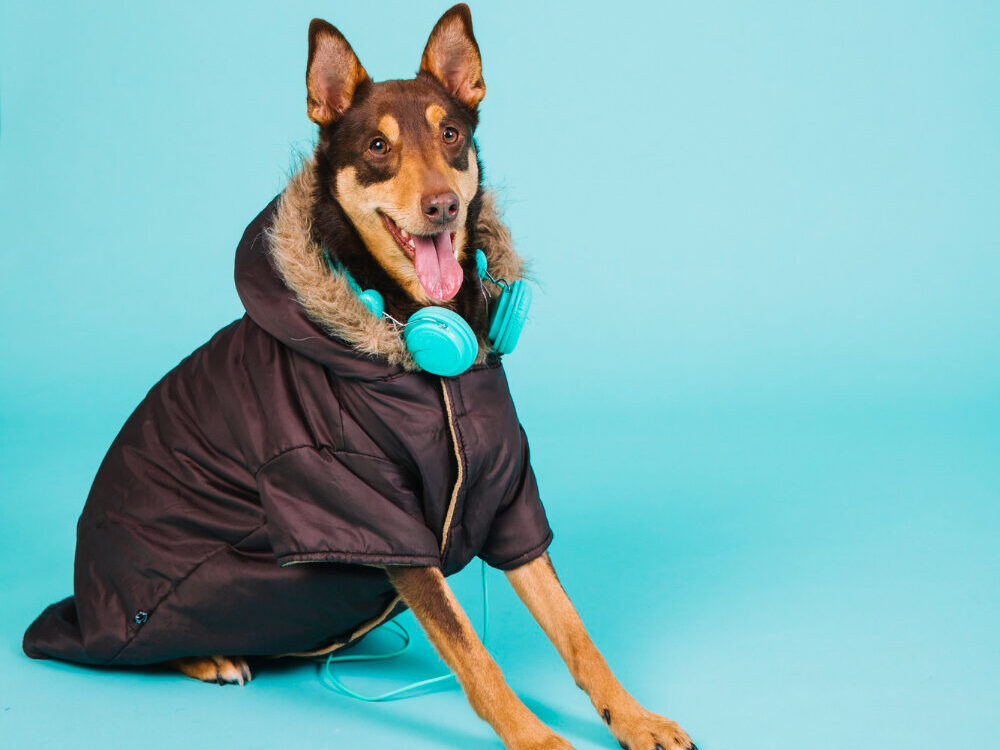
As dogs age, their ability to regulate body heat decreases. Their metabolism slows down, and their fat layer becomes thinner. This fat layer usually helps younger dogs stay warm. Because of these changes, senior dogs are more sensitive to cold weather and can get chilled quickly. A warm jacket or sweater can provide comfort and help stabilize their body temperature. - Joint pain (arthritis)
Many senior dogs face arthritis and joint issues. Cold weather and damp conditions can make the pain worse. Warm clothing or jackets can help keep their joints warm, reducing stiffness and discomfort. Some special types of dog clothing, like compression shirts, may also improve blood circulation, helping with swelling in the joints. - Thinning fur and sensitive skin
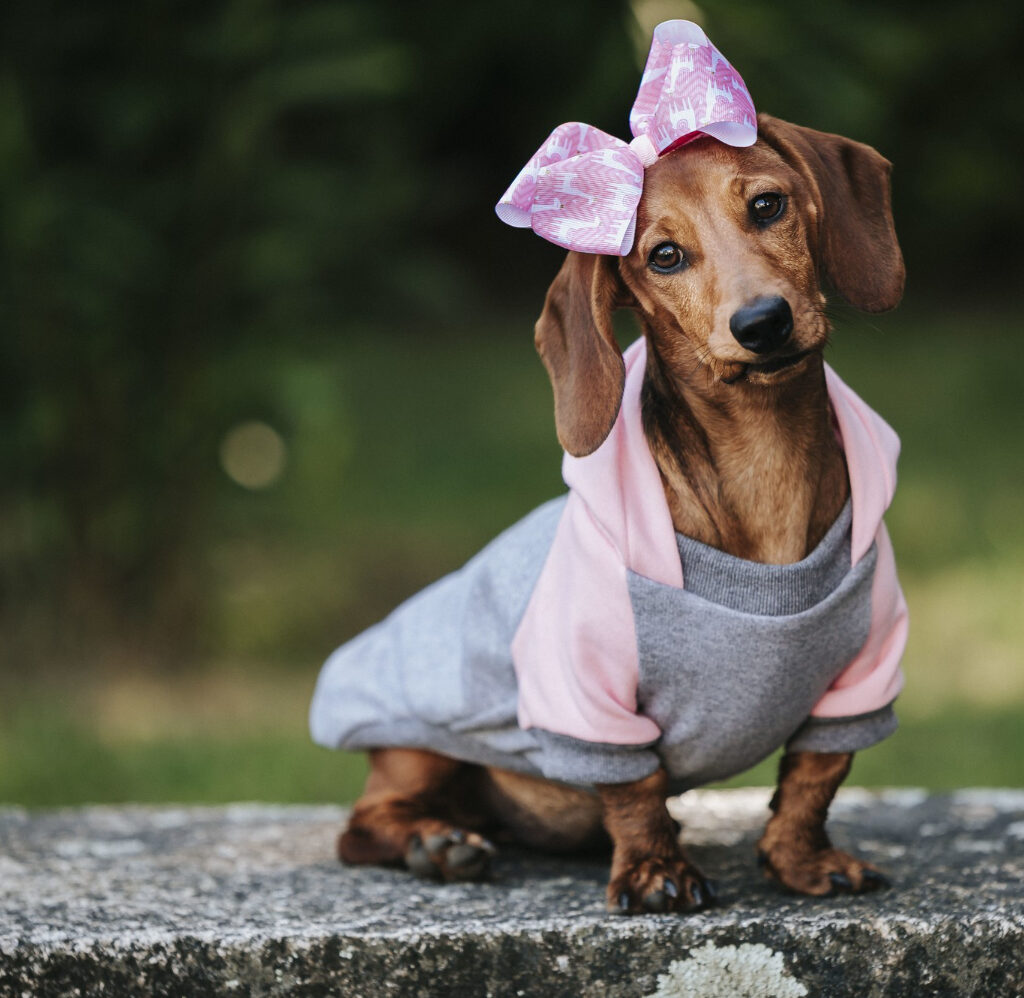
With aging, dogs often develop thinner and less dense fur. Their skin also becomes more sensitive and delicate. A light layer of clothing can protect them from sun, scratches, and insect bites. For breeds that naturally have thin fur, clothing acts as an extra layer of protection. - Reduced mobility
Senior dogs are usually less active and spend more time lying in one place. This means their bodies do not stay as warm as young and active dogs. Even indoors, lying on a cold floor can be uncomfortable. A warm coat or sweater helps them stay cozy, especially when resting or sleeping.
Which breeds need clothes more?
Not all senior dogs need clothes. Some breeds are naturally adapted to cold weather, like Siberian Huskies or Alaskan Malamutes. However, some breeds benefit greatly from clothing:
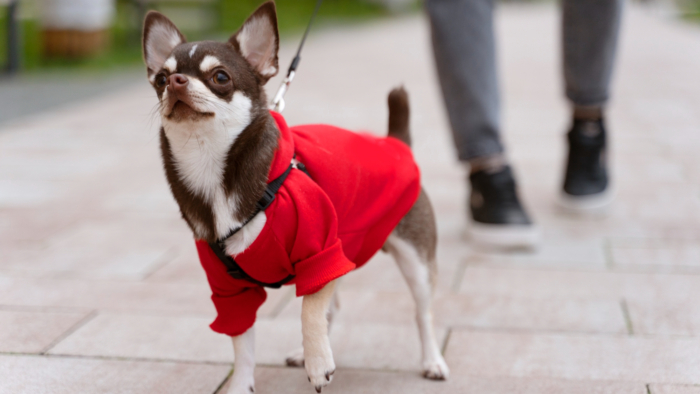
- Short-haired breeds: Greyhounds, Whippets, Chihuahuas. Their thin fur and low fat make them sensitive to cold.
- Small dogs: Yorkshire Terriers, Pugs, French Bulldogs. Their small bodies lose heat quickly.
- Thin-skinned breeds: Chinese Crested and similar dogs have very little fur and need sun and cold protection.
- Hairless breeds: Mexican Hairless Dog or American Hairless Terrier. These dogs need clothes year-round, for both cold and sun protection.
Physical changes in senior dogs
As dogs grow older, some common changes appear:
- Decreased ability to regulate temperature
- Younger dogs can handle hot and cold weather better, but senior dogs have weaker thermoregulation.
- They feel cold more quickly in winter.
- Bone and joint problems
- Arthritis and joint pain are common in senior dogs.
- Cold weather makes these problems worse.
- Weaker immune system
- With lower immunity, older dogs catch infections more easily.
- Clothing provides an extra protective layer.
- Thinner skin and fur
- Many breeds lose fur density with age.
- Thin skin makes them more sensitive to weather conditions.
What to consider when choosing clothes for senior dogs?
If you decide to buy clothes for your older dog, keep these points in mind:
- Correct size and fit
Clothes should not be too tight or too loose. Tight clothes can affect blood circulation, while loose clothes may get caught and cause discomfort. Make sure the clothing fits properly around the chest, stomach, and neck. - Material
Choose soft, breathable fabrics like wool, fleece, or cotton. These provide warmth without irritating the skin. Avoid synthetic fabrics that may cause allergies. - Ease of wearing
Senior dogs often have reduced mobility, so pick clothes that are easy to put on and take off. Clothes with zippers, Velcro, or large buttons are best. - Cleanliness
Ensure the clothes are easy to wash. Dirty clothes can cause skin infections, so hygiene is important. - Dog’s comfort
Watch your dog’s reaction. If your dog seems stressed, uncomfortable, or refuses to wear clothes, don’t force it. Some dogs simply don’t like clothes. In that case, alternatives like warm blankets or heated beds may work better.
Conclusion
Do senior dogs need clothes? The answer depends on their health, breed, environment, and weather conditions.
- If the dog lives in cold or rainy weather, or has a weak body, clothing is very helpful.
- If the dog is healthy, active, and has thick fur, clothes may not be necessary.
Every pet parent should carefully observe their dog’s needs and make the right choice based on comfort and safety.

Add a Comment