As dogs grow older, their bodies change, and so do their grooming needs. What was once a simple bath and brush can become a bit more challenging. Senior dog grooming is more than just keeping them clean — it’s an act of love. Grooming is not only about appearance but also about maintaining comfort, health, and quality of life.
This guide will walk you through the important aspects of senior dog grooming, focusing on how to make the experience comfortable and positive for your beloved pet.
Why grooming is important for senior dogs:
• Skin and coat changes: An older dog’s skin can become dry, thin, and more sensitive to infections. Their coat may also lose thickness and shine.
• Early detection of health issues: When you groom, you naturally check your dog’s whole body. This helps you notice lumps, bumps, changes in skin color, or parasites like fleas and ticks. Spotting these early can make a big difference.
• Joint and muscle comfort: Grooming can feel like a gentle massage, easing stiffness and improving circulation.
• Comfort and hygiene: Regular grooming prevents mats, odor, and dirt, helping your dog simply feel better.
Things to keep in mind before you start:
• Choose the right time: Don’t rush. Groom your dog when they are calm and relaxed, maybe after a short walk or nap. Avoid stressful times, like storms or when guests are over.
• Gather supplies: Keep everything within reach so your dog doesn’t have to wait. A soft-bristle brush, wide-tooth comb, nail clippers, styptic powder, gentle vet-approved shampoo, ear cleaner, and soft towels should be part of your kit.
• Create a safe space: Use a non-slip mat on the floor or grooming table to prevent falls, especially important for dogs with arthritis. Make sure the space is warm and draft-free.
• Keep sessions short: Break grooming into several short sessions if needed. A calm 10-minute session is better than a stressful 30-minute one.
Step-by-step grooming routine for senior dogs:
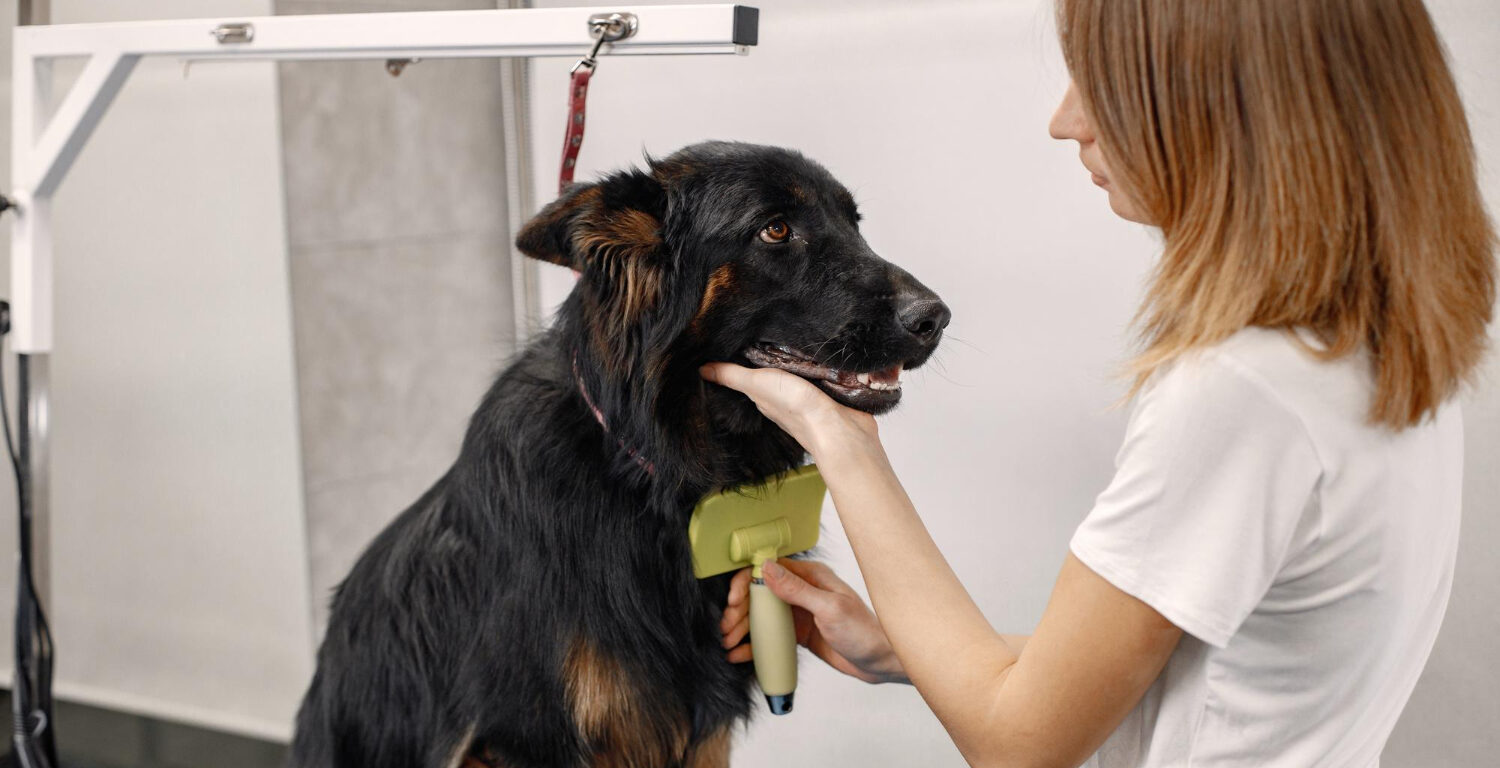
- Brushing the coat
• Brush 2–3 times a week.
• Use a slicker brush for long-haired breeds like Golden Retrievers or Shih Tzus.
• Use a bristle brush for short-haired breeds like Beagles or Boxers.
• Be gentle and slow. - Bathing
• Bathe every 5–6 weeks.
• Use senior dog shampoos like Earthbath Oatmeal & Aloe or Vet’s Best.
• Use lukewarm water.
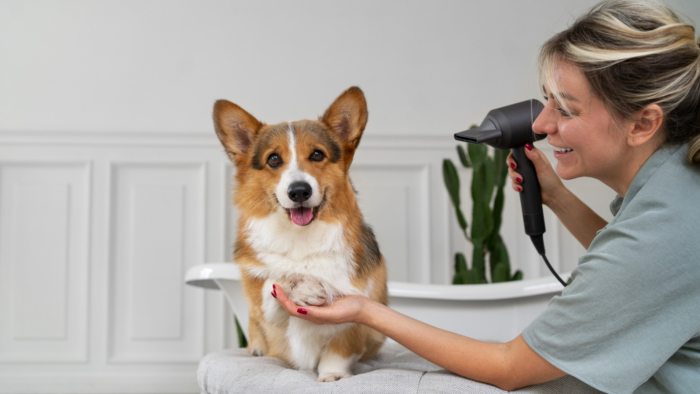
• Dry with a towel or a low-heat dryer. - Nail trimming
• Nails grow faster in older dogs because they walk less.
• Long nails can cause pain and mobility problems.
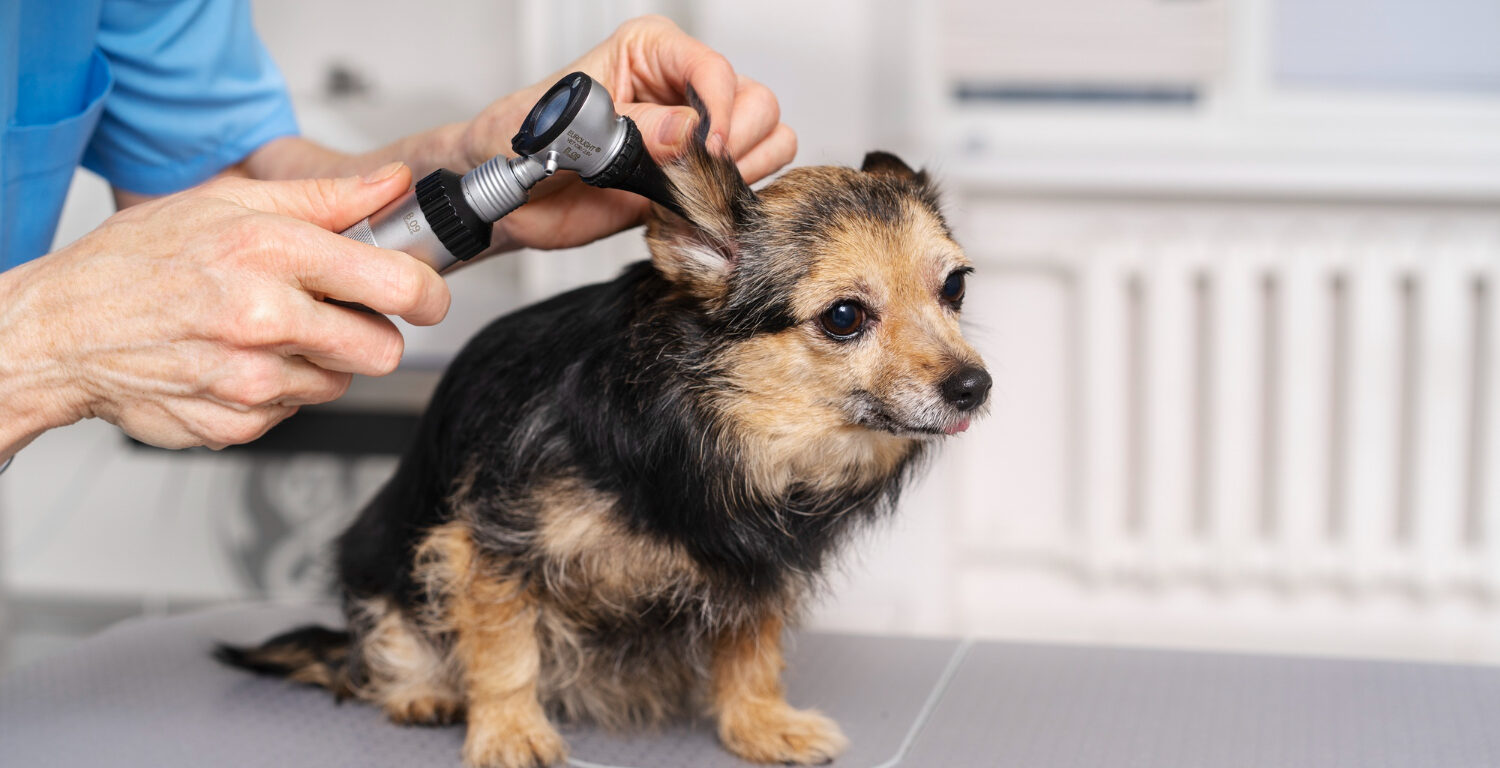
• Use safe clippers or a grinder. - Ear cleaning
• Check ears once a week.
• Use products like Zymox Ear Solution.
• Never push cotton swabs deep inside. - Dental care
• Brush 2–3 times per week with dog toothpaste.
• Give Greenies Senior Chews or dental water additives.
• Schedule a professional cleaning once a year. - Eye care
• Wipe tear stains and discharge gently.
• Use dog eye wipes. - Anal gland care
• Older dogs may not express glands on their own.
• Scooting on the floor is a sign.
• Have a vet or groomer handle it.
When to see a professional groomer:
You may manage most grooming at home, but sometimes a professional is best. Look for a groomer who has experience with senior dogs. They know how to work with limited mobility and can handle issues like severe matting or long coats that need special trimming.
When to see a vet during grooming:
Watch for these signs:
• Foul odor from ears or mouth
• New lumps or swelling
• Persistent itching or skin problems
• Bloody or thick eye discharge
• Trouble walking after a nail trim
Senior dog grooming frequency:
• Brushing: 2–3 times per week
• Bathing: Every 4–6 weeks
• Nail trimming: Every 3–4 weeks
• Ear cleaning: Weekly
• Teeth brushing: 2–3 times per week
FAQs:
Q1: Can I groom my senior dog at home?
Yes, with the right tools and gentle handling, it’s completely fine.
Q2: Can I use human shampoo?
No, it can irritate a dog’s skin. Always use dog-specific shampoos.
Q3: My dog hates baths, what should I do?
Use waterless shampoos or grooming wipes, and keep sessions short.
Q4: How do I groom a dog with arthritis?
Work on a soft surface, avoid too much movement, and keep it gentle.
Conclusion:
Senior dog grooming is not just about cleanliness — it’s about comfort, health, and happiness. With the right routine, products, and love, you can make your dog’s golden years easier and more joyful. Whether you do it at home or with a professional, the key is consistency and kindness. A well-groomed senior dog is not only healthier but also happier.

Add a Comment